mercoledì 20 aprile 2011

Happy 4/20!

Photo by Robyn Twomey
L'anno scorso mio marito (di cui ho parlato anche qui, qui e qui) doveva tenere una conferenza in un college nel nord della California. Il preside del college, tuttavia, gli disse che era meglio rimandare la conferenza di una settimana, perché il 20 aprile nessuno studente si sarebbe fatto vivo. "It's four twenty, you know".
"Four twenty", così si pronuncia in questo caso la data del 20 aprile, è la festa della cannabis, che, come ho spiegato approfonditamente qui, in California è legale per uso medico. Il termine slang 4/20 (o 420, o 4:20, sempre pronunciato "four twenty") nacque negli anni '70 per indicare l'ora in cui un gruppo di studenti di una scuola superiore di San Rafael si ritrovava per fumare marijuana, ma da allora è passato a indicare la data del 20 aprile, in cui si tengono festeggiamenti in tutto il paese (o almeno là dove si può).
Qualche giorno fa siamo andati a Sacramento per installare il Ristorante Fotosintetico, e mentre pranzavo in un bar e davo una scorsa ai giornali locali, ho trovato l'inserto del "Sacramento News & Entertainment Weekly", intitolato "The 420 Guide". Ho deciso quindi di pubblicare alcune foto.

Il 420 College
La copertina dell'inserto
Le pagine verdi


Barbecue, lotteria, 10% di sconto per anziani, invalidi e reduci
Consegna a domicilio


45$ per la visita di valutazione (ambulatorio pulito, personale gentile)
Terriccio bio

martedì 19 aprile 2011

Beautiful Artists/8: Rosemary McGuire, writer

Rosemary McGuire is a sweet and tough woman, with a biography that's really worth recounting. She was born in bush Alaska, second of four kids in a cabin with no electricity or running water. Her father was a commercial fisherman. When she was eight, the land they were living on was designated mining territory, and they had to abandon their cabin. The McGuire family moved down to the coast, where Rosemary grew up. She started school at the age of 16, in Haines, Alaska. The following year, she left home, spent a year living in Europe and then entered college. She has worked as a fisherwoman for the last 10 years, and has traveled over much of the high Arctic, often solo. She is currently finishing a collection of linked short stories. 
Rosemary writes about the world of Alaskan fishermen (and women), and her stories are intensely situated in a world that we seldom see at all. Her language is very powerful, being able to convey the "salty" taste of the place and to poetically evoke the internal life of tough, monosyllabic carachters.

Here's one of her beautiful stories, Innocence.

 Luke’s body stretched out, hot, uncomfortable, the aluminum grid of the skiff ridging his back. Light poured into the bowl of the lashed skiff, and on the deck of the seiner below. The boat rocked to a steady chop that stung cold and salty along the side. Overhead, the boom creaked back and forth, moving a fraction of an inch each way before jerking tight against the rigging. A steel beam, familiar to him, so familiar he could feel its coldness, its blistered paint, against his palms without thinking of it or knowing he was doing it.
A line snapped up from the deck. Curled and disappeared. The other deckhand, horsing around. Pete had this idea he could learn to tie a bowline in midair. It was crazy irritating.
“That was weak, dude,” Luke called lazily. No answer.
Five hours still to Noyes Island.
If he raised up in his seat even a fraction the wind struck him, driving out the warmth. The sea was so bright it hurt his eyes, the islands too sharp a green and blue. Better to lie, drunk with light, his eyes closed against the sun, watching through the liquid curtain of his eyelids.
Thinking of Eva. He rolled over to conceal a sudden embarrassing hard-on, though there was no one in a position to see. If there was a girl on board….but there wasn’t. Jim’s daughters were too young.
If Eva was on board….he cramped up again with a gust of desire. Eva here, her small round butt bent over the sink. Eva’s flat little boobs in raingear. But Eva would never do that.
The line snapped up again, twitched against the sky and disappeared.
“Weak…”
“Shut up.” Pete’s grinning face lurched above the skiff wall and vanished, crepulous with red hair.
Four and a half hours to Noyes Island.
Overhead, he heard Jim’s shout. His wheelwatch. He dropped swiftly down on to the deck. Up in the wheelhouse, Jim stretched out, heels on the console, steering with one foot.
“Just keep her as she is,” he said. Luke slid into the seat. And Jim stood up, adjusting himself, stretching, yawning, looking out over the stern.
“Nice day,” he said. “Hope the weather holds.”
Luke nodded.
“You’re gonna want to call me when we hit that island up ahead,” he said. “I’ll make the turn.” He dropped down out of sight into the galley, easy in the plain authority of unquestioned intelligence. “We’ll get in behind it, check on ‘em before their pussies start hurting too bad.”
His head disappeared. Luke cued up the music. “ .. aa ah m,” the vocal-less rhythm seemed to shake the dusty, cigarette air of the wheelhouse. He pushed the window open. An albatross rode the air off their bow, the greyish kind. He felt a little sick now, in the enclosed space. The boat jerked against the chop, jerked like a dog on a leash. Whoops. Crash. Whoops. Crash. Again and again.
On the radio, far off, he could hear two men talking, first about their sets… “Gotta thousand on that one.” Longliners maybe. Then, “Gotta go make my baby. ..You should see the size of it….nothing worse’n a chili shit...”
Disgusted, he flicked the channel up, but the other channels just held static. He went back to the original; it scanned between 8, the chatter channel, and 16, for the Coast Guard. “Attention all mariners, attention all mariners. …navigational hazard….” But it wasn’t anything, only some logs reported drifting back in Cross Sound. Hazard for the pukers. Not for them. Though sometimes drift from the logging barges choked up the tiderips heavy as popweed.
He sighed, and shut it off. Four hours. He wondered how the others were doing down there. Where they were bound.
The sun rolled down the horizon overhead, touched the flat blue line of open ocean, seemed to swell and bleed outward. Shadow swept across the surface of the water, hollowing the sea; then as the sun sank further, the air seemed to thicken. The water held the last light like a liquid substance, dense as mercury, glowing back up at the paling sky. No land now anywhere in sight. Even the mountains had disappeared in the hazy air of evening.
Luke heard the galley door clang shut. Pete coming in, starting dinner. The smell of Eazy Cheez and chili—they were sick of that. Burnt coffee. Popcorn. The four food groups.
Jim’s snore, from the daybunk just below the hatch.
The fourth guy, Charles, had flown ahead.
Luke settled back, tried to think again of Eva, but it was no good. Though she was always somewhere in his mind, lately when he tried to think of her directly he got depressed. It was something about the way she hung on him, and something about the men in the hold below, with their air of purpose larger than themselves. He lit a cigarette, though he knew he shouldn’t, and blew the smoke slowly out the window. It met and mingled with a denser cloud, the exhaust blown forward from the stack, and the sooty drifting from the oil stove. The wind had changed, setting against their stern.
He leaned forward. Looked out on the back. Something seemed wrong.

Read the rest of the story here

lunedì 18 aprile 2011

The Photosynthetic Restaurant: some pictures

The Photosynthetic Restaurant (for more information see here) is now open at the Crocker Art Museum in Sacramento. I'm posting here some pictures to show you how it looks like.


sabato 16 aprile 2011

Tassi di disoccupazione: una scoperta inquietante

Questo, secondo Google, è l'attuale tasso di disoccupazione in Italia: 8.4%

E questo è l'attuale tasso di disoccupazione in California: 12.3%
 
Questo, secondo quella miniera di informazioni che è il Bureau of Labor Statistics, è l'andamento della disoccupazione in California negli ultimi 10 anni:

E questa è la mappa della disoccupazione negli Usa, stato per stato. La California se la cava meglio solo del Nevada, che ha un tasso del 13.6.


Naturalmente si tratta di dati generici, che non tengono conto di fattori come il sesso, l'età, la razza, il grado di istruzione, le diverse zone di ogni stato... Ma ad ogni modo li trovo piuttosto inquietanti. Forse era meglio se restavo in Italia...
(Grazie a Marica che mi ha illuminata)

venerdì 15 aprile 2011

La lunga marcia verso la Green Card/2: La cattura dei dati biometrici

Innanzitutto un po' di terminologia.
Dopo aver cominciato le procedure per la Green Card (che se tutto va bene dovrebbe arrivare nel giro di un anno, dopo il famoso interrogatorio per decidere se gli sposi sono una coppia vera oppure una truffa), la prima cosa che si fa è prenotare una visita dal Civil Surgeon (della visita ho già parlato qui e qui).
Il termine "civil surgeon", ovvero "chirurgo civile", viene usato solo nel contesto delle procedure per l'immigrazione, e infatti nessun americano lo ha mai sentito. Se cercate su WikiAnswers, alla domanda "cosa si intende per chirurgo civile", la risposta è "potrebbe trattarsi di un chirurgo beneducato, oppure di un chirurgo che lavora per la popolazione civile invece che per quella militare". Fra l'altro in genere non si tratta neppure di un chirurgo, bensì di un medico autorizzato dal Department of Homeland Security (eh già, sono proprio loro che si occupano dell'immigrazione) a svolgere le analisi e le vaccinazioni necessarie per l'ottenimento della Green Card.
Prima della Green Card, però (sempre se tutto va bene) il candidato riceverà un permesso di lavoro e un permesso di viaggio temporanei. Il permesso di viaggio, quello che ti permette di uscire dal paese (cioè, volendo puoi uscire lo stesso, però quando rientri devi ricominciare tutta la procedura da capo. E quando sei in mezzo a questo tipo di procedure è sempre meglio tenere un profilo basso e non farti troppo notare) si chiama Advance Parole. Si tratta di un altro nome che gli americani non hanno mai sentito,  e quando lo sentono rimangono sbalorditi. Ecco infatti cosa riporta il dizionario per "parole": "libertà sulla parola, liberazione o scarcerazione sulla parola, liberazione condizionale; to be out on parole: essere in libertà sulla parola; periodo di libertà sulla parola". Insomma, quella che noi chiamiamo "libertà provvisoria". Che in questo caso è "advance", cioè anticipata. Bontà loro.
A questo punto, una volta affrontata la visita medica, dopo qualche settimana di attesa arriva un documento che ti convoca perché "you must have your biometrics captured". Ed è quello che ho fatto l'altro giorno, presentandomi alle nove del mattino allo USCIS Application Support Center di San Francisco per farmi catturare i dati biometrici.
Ebbene, è stata un'esperienza fantastica! La "cattura" delle mie impronte digitali e della mia foto ha richiesto in tutto una decina di minuti, durante i quali la gentilissima addetta ha fatto in tempo a chiedermi la ricetta della carbonara (però mi sono dimenticata di dirle che il bacon va tagliato a dadini. Temo che cucinerà una carbonara con il bacon a strisce), a portarmi la guida del telefono perché nell'ansia non riuscivo a ricordarmi il numero di casa mia, e a chiedermi due volte se ero proprio sicura che la foto andava bene (in effetti era orrenda, ma io non vedevo l'ora di finire e andarmene). Insomma, non mi sono mai trovata così bene in un ufficio pubblico! Dipenderà forse dal nome, visto che "centro di assistenza" suona molto più amichevole di chirurgo civile o libertà provvisoria, oppure da quei bigliettini gialli che ti fanno compilare all'uscita, dove ti chiedono di dare voti al servizio ricevuto (Excellent! Excellent! Excellent!), e come al solito ti ringraziano della collaborazione ("Thanks for Your Cooperation"), ma devo ammettere che mi sono addirittura commossa. Quasi quasi ci ritorno e mi faccio rifare la foto.

giovedì 14 aprile 2011

Meet my husband/3: The Photosynthetic Restaurant

The Photosynthetic Restaurant's sign

These days we are staying in Sacramento, where Jonathon is installing his "latest conceptual-art effort", as Bruce Sterling writes in the Wired blog Beyond the Beyond (where he also says, "*We should be running banner-ads for this guy"). Here are some excerpts from the article:
 "Consumed by humans in salads and stir fries for generations, plants will finally attain a cuisine of their own with the debut of the world’s first photosynthetic restaurant in Sacramento this month. Situated in the luxuriant 19th Century gardens of the Crocker Art Museum, under the supervision of executive chef Jonathon Keats, the photosynthetic restaurant will provide botanical patrons with healthful and appetizing meals freshly prepared by filtering and mixing the full spectrum of sunlight. 
'Honestly I’m surprised that nobody else has done this,' says Mr. Keats, an experimental philosopher who has never operated a restaurant before.  'For nearly a half billion years, plants have subsisted on a diet of photons haphazardly served up by the sun and indiscriminately consumed, without the least thought given to culinary enjoyment. Frankly, it’s barbaric.' (((That’s really a great paragraph. There’s something Stanislaw Lem about it.)))
(...) Despite his want of kitchen experience, experts agree that Mr. Keats is uniquely suited to operate a photosynthetic restaurant. 'Jonathon has a long history of catering to other species,' notes Dr. Shields. For instance, Mr. Keats has choreographed ballet for honeybees at Yerba Buena Center for the Arts by selectively planting flowers around San Francisco hives.  He has also produced pornography for house plants by projecting videos of pollination onto their foliage in a darkened theater at the Armand Hammer Museum. 'Jonathon’s efforts to share aspects of human culture with other species encourage us to scrutinize our own cultural values,' Dr. Shields observes."
(Read the full article here)

The Recipe Book

 Yesterday, the online edition of Wired Magazine published the article Photosynthetic Restaurant Puts Green Spin on Food Porn. Again, here are some excerpts:
“'My recipes are all based on the scientific study of plant physiology, applied to the fine art of cuisine,' Keats told Wired.com. 'I’m publishing the recipe book so gardeners everywhere can prepare gourmet sunlight for their plants at home. For people who are lazier, or keep only a few plants indoors, I packaged my signature recipes for easy consumption by videotaping select wavelengths of natural sunlight and editing them into a quick and convenient TV dinner.
'I tried it out on my plants at home, and as far as I can tell, they responded well to my delectable mixtures of orange, violet and yellow, although I can’t be certain,' he added. 'Cuisine is a form of communication, and mine won’t be complete until plants evolve a mechanism for food criticism.'"

 In the same article you can also find a 3-minute video with a Tv dinner for plants, in case you want to try it out on you potted green friends at home.
Here's the link to the video.
(Read the full article here.)
Tv dinner for plants (Image courtesy Crocker Art Museum)

The Photosynthetic Restaurant will be open daily from April 16 to July 17, 2011 in the floral plantings of the Crocker Art Museum in Sacramento, CA. For more information, see http://crockerartmuseum.org/art/upcoming-exhibits/571-the-photosynthetic-restaurant-gourmet-sunlight-for-plants-as-catered-by-jonathon-keats
                        

mercoledì 13 aprile 2011

Una grande scrittrice: Amy Hempel

Un'altra scrittrice che sono stata molto felice di tradurre (oltre che di conoscere, e lo dico solo perché è una persona davvero squisita) è Amy Hempel.
Tradurre Hempel, non lo nascondo, è stata un'impresa.
Paola Peroni, nella sua bella intervista pubblicata nell'ottobre 2009 sul Manifesto (in seguito all''uscita della raccolta Ragioni per vivere, da me tradotta per Mondadori e recensita, fra gli altri, da Antonio Monda su Repubblica, Mario Fortunato sull'Espresso, e Claudio Gorlier sulla Stampa, che scriveva: "Scelgo a caso un esempio davvero irresistibile nella sua apparente banalità, un racconto intitolato 'E non indurci in Penn-stazione': quattro pagine esemplari nel senso autentico della parola, ove circostanze e dialoghi occasionali lievitano quasi magicamente fino ad acquisire una valenza esemplare, capitoli degradati della Storia") descriveva così la scrittura di Amy Hempel: "la precisione del linguaggio, il ritmo della sintassi che rimandava a quello della poesia, la cesellata perfezione di ogni frase e l’introduzione di una forma narrativa frammentaria, capace di rompere con la linearità del racconto tradizionale". Tutti questi sono elementi che rendono il lavoro di traduzione molto interessante, ma anche molto complesso.

Questa è l'introduzione all'intervista rilasciata da Hempel a Tim Small per il Quinto Annuale di Narrativa della rivista Vice. 
"Innanzitutto, un breve curriculum vitae. Amy Hempel è autrice di quattro antologie di racconti, Reasons to Live (1985), At the Gates of the Animal Kingdom (1990), Tumble Home (1997), e The Dog of the Marriage (2005), le cui storie migliori sono raccolte in The Collected Stories of Amy Hempel, pubblicato nel 2006—e solo quest’anno in Italia, con il titolo Ragioni per vivere—con un’introduzione di Rick Moody che comincia, e finisce, in questo modo: “Sta tutto nelle frasi.” L’antologia—pubblicata in Italia come Ragioni per vivere—Tutti i racconti da Mondadori—è stata finalista al PEN/Faulkner Award, ha vinto l’Ambassador Book Award ed è stata salutata come uno dei migliori libri del 2006 da qualsiasi canale d’informazione che si occupi di letteratura.
Nel 2008 Amy ha vinto il Rea Award for the Short Story ed è stata insignita della Guggenheim Fellowship, e inoltre si è aggiudicata un Hobson Award. Insegna al Brooklyn College di Bennington e ad Harvard. Almeno due dei suoi racconti, 'Il raccolto' e 'Nel cimitero dov’è sepolto Al Jolson', sono tra i più antologizzati degli ultimi trent’anni e per le ragioni più valide: come il resto della sua produzione, sono emotivamente potenti senza avere il minimo accenno di sentimentalismo; sono pieni di balzi intuitivi ed esclusivamente composti di frasi assemblate al microscopio che trattano argomenti enormi come il lutto, la solitudine, gli incidenti, la morte, la fine delle relazioni, e riescono a strapparti una risata mentre ti spingono alle lacrime. Sono, semplicemente ed estremamente, dei bei racconti. Oltre a tutto questo, Amy è anche molto bella e ha la testa coperta da una luminosa chioma canuta.
Insieme a scrittori come Raymond Carver, Barry Hannah e Mary Robison, Amy Hempel è stata canonizzata tanto come parte dell’epoca d’oro della short story americana quanto come parte del cosiddetto 'minimalismo'. Che queste classificazioni siano corrette o meno, Amy è stata tra gli eletti ad aver lavorato con il leggendario editor editor Gordon Lish—che ha prestato servizio dal 1977 al 1995 alla Alfred A. Knopf, e di cui ancora oggi è possibile percepire il riverbero del suo gigantesco impatto sulla letteratura americana. Oltre a questo, Amy è anche fra i pochi autori—insieme a, forse, Carver e Grace Paley—ad essersi costruitauna reputazione letteraria inossidabile senza mai cimentarsi nel romanzo. Ma poi, a chi importa? Amy Hempel riesce a fare di più con 15 pagine di quanto altri autori non riescano a fare con 250."


Nello stesso numero della rivista si trova anche un bellissimo racconto inedito, Greed. Ecco come inizia:

La signora Greed era sposata da quarant’anni, suo marito l’uomo più cornuto della storia. Un uomo bruttino dal patrimonio ragguardevole, che l’accompagnava nelle sue commissioni nei dintorni. La signora Greed faceva un punto d’onore dell’affermare che non lo avrebbe mai lasciato. Poco importava se l’affetto per lui era superato dall’attaccamento ad altri. Tra cui, per esempio, mio marito. Se di notte lei rimaneva a casa, nel letto di suo marito, perché a lui doveva importare come passava le giornate?
Era a me che importava.
Protetta dagli uomini, dal denaro e dalla mancanza di vergogna, la signora Greed era sempre riuscita a evitare ciò che si meritava. Aveva quel genere di gaiezza per cui gli uomini non pensavano che se la facesse con tutti, bensì che avesse una certa joie de vivre; la consideravano una libertina, non una puttana.
Aveva i mezzi per potersi abbandonare ai propri istinti e dormire tutta la mattina dopo nottate che teneva nascoste agli amici. Girava il mondo, e si trasformava nella persona che poteva essere altrove con gente che non avrebbe mai più rivisto.
Aveva molti anni più di mio marito, e campava di rendita su una bellezza ormai sfiorita. Era stata una bellezza convenzionale, la sua, e io ero imbarazzata dall’omaggio che mio marito le rendeva. Un tema ricorrente dei loro incontri: il rammarico di non essersi conosciuti prima.
Lui le chiese se provasse sentimenti materni nei suoi confronti. Lei disse di non sapere che risposta lui si aspettasse. Gli raccontò che provava un’erotica miscela di passione e tenerezza. Se lui voleva considerare quella tenerezza come un sentimento materno, che facesse pure.
Quando si erano conosciuti, le disse, lui non le aveva nascosto che somigliava a sua madre, una donna piena di fascino che lo aveva trattato con crudeltà ed era morta quando lui era piccolo. Non lo aveva detto per sottolineare la sua età, né lei aveva pensato a un’ossessione. Aveva percepito quella frase come le sembrava fosse intesa: come un complimento, un’occasione in più per consolidare il loro legame. Avrebbe assunto volentieri il ruolo della brava madre, oltre a quello della persona dominata dalle proprie sensazioni. E avrebbe visto la sua ricerca di piacere procurare piacere a quelli che la circondavano!
Una cosa tutta loro: le mele verdi. Mai rosse, sempre verdi. Sapevo quando mio marito aveva ricevuto la signora Greed perché un trio di cestini in cucina si riempiva di lucide mele verdi. Mio marito sosteneva di trovarle belle; non l’ho mai visto mangiarne una. Quando cominciavano a diventare molli e marroni, le buttavo via. Ed ecco che in breve la cesta tornava a riempirsi.

Potete leggere il resto qui: GREED - Di Amy Hempel - Vice Magazine

martedì 12 aprile 2011

Church Shopping

Prima Chiesa di Cristo, Scienziato (con riflesso della fotografa)

 Il mio primo contatto diretto con la religione negli Stati Uniti risale a parecchi anni fa, quando, durante il mio primo soggiorno prolungato in quel paese, mi ritrovai in macchina con un'amica americana per le strade di una cittadina dello stato di New York. A un certo punto l'amica mi indicò una chiesa e disse: "Quella è stata la mia chiesa per molti anni, poi ho deciso di cambiarla." "Ma come", le dissi, "hai cambiato chiesa?! Cos'è successo? Una crisi religiosa?" "No", mi rispose lei, "quella nuova era più comoda, ci passavo davanti per portare le bambine a scuola." 

domenica 10 aprile 2011

The Theory of Stupidity

Carlo M. Cipolla's Theory of Stupidity is so brilliant, so profoundly true, that deserves to be known all over the world. It is well known in Italy, but maybe not so much in the English-speaking world, so I want to give my small contribution with this brief survey.

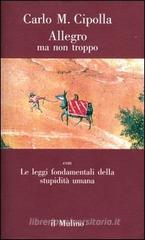
 In The Basic Laws of Human Stupidity (The Mad Millers, 1976), later republished in Italian with the title Allegro ma non troppo (Il Mulino,1988), Carlo M. Cipolla makes a study of human stupidity which is absolutely ingenious in its simplicity. 
 
According to Cipolla, there are five fundamental laws of stupidity (the boldface is mine):
  1. Always and inevitably each of us underestimates the number of stupid individuals in circulation.
  2. The probability that a given person is stupid is independent of any other characteristic possessed by that person.
  3. A person is stupid if they cause damage to another person or group of people without experiencing personal gain, or even worse causing damage to themselves in the process.
  4. Non-stupid people always underestimate the harmful potential of stupid people; they constantly forget that at any time anywhere, and in any circumstance, dealing with or associating themselves with stupid individuals invariably constitutes a costly error.
  5. A stupid person is the most dangerous type of person there is.
As is evident from the third law, Cipolla identifies two factors to consider when exploring human behaviour:
  • Benefits and losses that an individual causes to him or herself.
  • Benefits and losses that an individual causes to others.
By creating a graph with the first factor on the x-axis and the second on the y-axis, we obtain four groups of people:
  • Intelligent people (top right)
  • Helpless / Naive people (top left)
  • Bandits (bottom right)
  • Stupid people (bottom left)

You can read more about Carlo M. Cipolla and the Theory of Stupidity here.


sabato 9 aprile 2011

venerdì 8 aprile 2011

A wonderful book

The Atlas of Remote Islands (Fifty Islands I Have Never Set Foot On and Never Will), written by Judith Schalansky, translated from German by Christine Lo (this is the original German edition) and published last October by Penguin, is a wonder of a book.
As you can read in the synopsis: "Judith Schalansky was born in 1980 on the wrong side of the Berlin Wall. The Soviets wouldn't let anyone travel so everything she learnt about the world came from her parents' battered old atlas. An acclaimed novelist and award-winning graphic designer, she has spent years creating this, her own imaginative atlas of the world's loneliest places. These islands are so difficult to reach that until the late 1990s more people had set foot on the moon than on Peter I Island in the Antarctic.
On one page are perfect maps, on the other unfold bizarre stories from the history of the islands themselves. Rare animals and strange people abound: from marooned slaves to lonely scientists, lost explorers to confused lighthouse keepers, mutinous sailors to forgotten castaways; a collection of Robinson Crusoes of all kinds. Recently awarded the prize of Germany's most beautiful book, the ATLAS OF REMOTE ISLANDS is a intricately designed masterpiece that maplovers everywhere will love. Judith Schalansky lures us across all the oceans of the world to fifty remote islands - from St Kilda to Easter Island and from Tristan da Cunha to Disappointment Island - and proves that some of the most memorable journeys can be taken by armchair travellers."
 
The maps are beautiful and the stories are haunting and memorable, and I found myself dreaming over each of these pages that describe small worlds lost in the middle of the ocean.

The book enjoyed a great success as a little rare gem, and the blog GoNomad even found a guy  ("The Most Traveled Man in the World") who's been to most of these islands. But I'd rather sit down in my armchair and dream.


giovedì 7 aprile 2011

Un giardino verticale a San Francisco

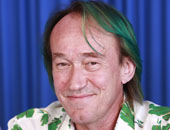
Patrick Blanc è un botanico francese dai capelli verdi che ha inventato la tecnica del giardino verticale. 
Per chi non lo conoscesse, il giardino verticale è una parete coltivata, con piante che vengono fatte radicare tra due strati di materiale fibroso in cui scorre l'impianto di irrigazione (per chi volesse saperne di più, qui c'è il sito di Blanc). I vantaggi, oltre a quello estetico (perché i giardini verticali sono stupendi), sono un miglioramento dell’isolamento termico degli edifici (si evita l’irraggiamento diretto sulla parete, che non si scalda e non trasmette il calore all’interno) e la cattura delle polveri sottili. 
CaixaForum di Madrid

Tra gli inteventi più famosi di Blanc ci sono quello del CaixaForum di Madrid (una parete alta 24 metri, ampia 460 m², sulla quale crescono 15000 piante di 250 specie diverse) e del Musée du quai Branly di Parigi (sul quale Blanc ha realizzato un muro vegetale di 800 metri quadri con piante provenienti da Giappone, Cina, Europa e Stati Uniti). 

Musée du quai Branly, Parigi

Patrick Blanc ha da poco installato uno dei suoi giardini (una collezione di piante native della California) sul muro di una scuola di San Francisco, la Drew School di Pacific Heights. Sono andata a dare un'occhiata, e ho potuto vedere un'opera di Blanc ancora "in fase di crescita". Ma la primavera è arrivata, e presto la parete sarà tutta verde. Quelle che vedete sotto sono le foto che ho scattato alla Drew School. Ci tornerò fra un mesetto, per vedere il giardino in tutto il suo splendore.


martedì 5 aprile 2011

Famous Last Words

From Flavorwire: Famous Last Words: Our 20 Favorite Final Lines in Literature.

Okay, that's banal, but my favourite is no. 19. And 17. And 15. And 14, of course. Oh, yes, and 11. And... 
And yours?

1. The Sun Also Rises, Ernest Hemingway
Best pessimistic diagnosis of a resigned and wistful generation:
“Yes,” I said. “Isn’t it pretty to think so?”
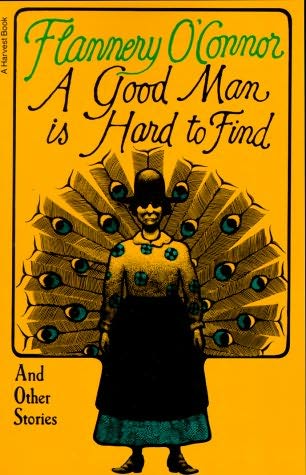
2. “A Good Man Is Hard To Find,” Flannery O’Connor (From The Complete Stories)
Most delicate ending to a delicate, harrowing story about the different kinds of humanity and grace:
“Shut up, Bobby Lee,” The Misfit said. “It’s no real pleasure in life.”
Best reason to go adventuring in Wonderland:
Lastly, she pictured to herself how this same little sister of hers would, in the after-time, be herself a grown woman; and how she would keep, through all her riper years, the simple and loving heart of her childhood; and how she would gather about her other little children, and make their eyes bright and eager with many a strange tale, perhaps even with the dream of Wonderland of long ago; and how she would feel with all their simple sorrows, and find a pleasure in all their simple joys, remembering her own child-life, and the happy summer days.
4. The Catcher in the Rye, J.D. Salinger
Most dearly held last line for moody and secretive teenagers everywhere:
Don’t ever tell anybody anything. If you do, you start missing everybody.
5. The Broom of the System, David Foster Wallace
Best way to end a novel in the middle of a sentence/best phantom use of a word when we all know what it is but maybe we don’t because it’s DFW so we’d better not make any assumptions:
“You can trust me,” R.V. said, watching her hand. “I’m a man of my
Best post-modern, self-referential ending to a post-modern, self-referential book about reading and writing:
And you say, “Just a moment, I’ve almost finished  If on a winter’s night a traveler by Italo Calvino.”
7. The Stranger, Albert Camus
Most last minute revelation for a previously utterly stubborn, unchanging character, finally accepting the facts of the universe in the face of his execution:
As if that blind rage had washed me clean, rid me of hope; for the first time, in that night alive with signs and stars, I opened myself to the benign indifference of the world. Finding it so much like myself—so like a brother, really—I felt that I had been happy and that I was happy again. For everything to be consummated, for me to feel less alone, I had only to wish that there be a large crowd of spectators the day of my execution and that they greet me with cries of hate.
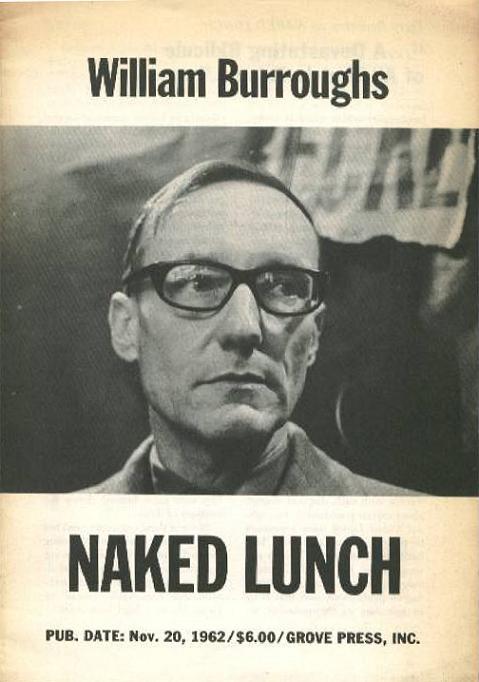
8. Naked Lunch, William S. Burroughs
Best wonderfully mangled last line from a wonderfully mangled novel:
“No got… C’lom Fliday”
9. 1984, George Orwell
Most chilling return to the status quo:
He loved Big Brother.
10. C, Tom McCarthy
Prettiest description of oblivion and both the interconnectedness and meaninglessness of worldly phenomena that also sounds something like a dehumanized version of the last line of The Great Gatsby:
The wake itself remains, etched out across the water’s surface; then it fades as well, although no one is there to see it go.
11. “A Perfect Day for Bananafish,” J.D. Salinger (From Nine Stories)
Most widely debated and surprising-yet-inevitable suicide-based ending ever:
Then he went over and sat down on the unoccupied twin bed, looked at the girl, aimed the pistol, and fired a bullet through his right temple.
12. “The Falls,” George Saunders (From Pastoralia)
Best description we’ve ever read of rationalizing one decision over and over as you make the other decision with your body:
They were frantic, calling out to him, but they were dead, as dead as the ancient dead, and he was alive, he was needed at home, it was a no-brainer, no one could possibly blame him for this one, and making a low sound of despair in his throat he kicked off his loafers and threw his long ugly body out across the water.
13. The Hundred Brothers, Donald Antrim
Best calm after the storm:
It is true that there is nothing like a blaze in the hearth to soothe the nerves and restore order to a house.
14. Speak, Memory, Vladimir Nabokov
Though we’re of the opinion that you could take any of Nabokov’s sentences at random and put them on any best-of list with no problems, this may be the best ending to an impressionistic memoir about perception, memory and the haziness of reality:
There, in front of us, where a broken row of houses stood between us and the harbor, and where the eye encountered all sorts of stratagems, such as pale-blue and pink underwear cakewalking on a clothesline, or a lady’s bicycle and a striped cat oddly sharing a rudimentary balcony of cast iron, it was most satisfying to make out among the jumbled angles of roofs and walls, a splendid ship’s finnel, showing from behind the clothesline as something in a scrambled picture – Find What the Sailor Has Hidden – that the finder cannot unsee once it has been seen.
15. The Unnamable, Samuel Beckett
Most Beckettian closing to a Beckett novel:
Perhaps it’s done already, perhaps they have said me already, perhaps they have carried me to the threshold of my story, before the door that opens on my story, that would surprise me, if it opens, it will be I, it will be the silence, where I am, I don’t know, I’ll never know, in the silence you don’t know, you must go on, I can’t go on, I’ll go on.
16. Out, Ronald Sukenick
Most visually representative ending to a novel:
this way this way this way this way this way this way this
way out this
way out
O
17. A Tale of Two Cities, Charles Dickens
Most grandiose and declarative/most often quoted by people who have no idea where it’s from:
‘It is a far, far better thing that I do, than I have ever done; it is a far, far better rest that I go to than I have ever known.’
Make fun all you want, but after everything that Harry went through, this may be the most well-deserved last line we’ve ever read:
The scar had not pained Harry for nineteen years. All was well.
19. The Great Gatsby, F. Scott Fitzgerald
Best beautiful sum-up of the novel you just read, both in tone and in meaning, and possibly the most well-loved last line of all time:
So we beat on, boats against the current, borne back ceaselessly into the past.
20. “The School,” Donald Barthelme (From Sixty Stories)
This writer’s personal favorite. The most excellently crafted, strange, funny and ambiguous ending I have ever met:
They said, please, please make love with Helen, we require an assertion of value, we are frightened. I said that they shouldn’t be frightened (although I am often frightened) and that there was value everywhere. Helen came and embraced me. I kissed her a few times on the brow. We held each other. The children were excited. The there was a knock on the door, I opened the door, and the new gerbil walked in. The children cheered wildly.

Beautiful Artists/7: Chris Schiavo, multi-media artist

Chris Schiavo is a multi-media artist born and based in New York City, who works in film, photography, installation art, drawing and sound pieces, often incorporating all mediums simultaneously to create experimental films, theater and performance art.
Her work is in the collections of the Museum of Modern Art/NY and the Metropolitan Museum of Art/NY, and is shown in galleries and film festivals around the world. 

Here's a sample of her wonderful series, The Back Yard. As Chris writes, "The 'Back Yard' series of color photographs was created over a span of twelve years, in various locations in Queens, New York.
The original negatives went missing before fully completed editions were able to be printed. What existed of the original printed series was unfortunately limited and for the most part,
the work had been filed to memory.
 
Recently, a large number of the original negatives and vintage prints have been recovered. For the first time in fifteen years, a completed edition of the 'Back Yard' is now available for exhibitions and sales.

[The photographs] take a humorous look at the compact worlds and eccentricities created by the human presence within these tiny plots of Nature. Each image is created by incorporating specifically constructed outdoor installations within existing environments which disintegrate over time and Nature. Working with a sensibility as much akin to painting as photography, the photographed environments are manipulated and enhanced on site with painted light and shadows, bright colors, exaggerated flora and fauna, carefully positioned props and live presences. Mysterious tableaus of fractured narratives transform common backyards into personalized, emotionally charged hyper-realities built of childhood memories and adult longings. At once eerie and familiar, the photographs offer a timeless glimpse of an American scene.
All photographs are chromeogenic prints. The images are not painted upon or created with the use of computer manipulations or digital enhancements." (The boldface is mine)

From an article published by the San Francisco Examiner  for the show "The Backyard",
that I saw last year at the ArtHaus gallery. "They are whimsical avant-garde installations: chromeogenic prints in which models are often headless or wear masks, garden hoses become electric neon snakes and artificial light makes fake shadow birds take flight. Schiavo incorporates objects grabbed from neighboring yards, paints the ground, paints living leaves, manufactures unnatural shadows, all to make the real unreal. (...) A Surrealist influence is palpable: 'Fido' was conceived in a pre-dawn dream. Schiavo went out into the yard, arranged the image she wanted, took the photo of the flaming dog house and went back to bed. Schiavo abandoned The Backyard for a while, working on film and sound projects. With the advent of Photoshop in 1990, she found that many people assumed her striking, dreamy images were digitally enhanced. 'People weren’t getting what I was doing,' she says. 'So I thought, what’s the point?'

Well, have a look here and judge for yourselves!

On Chris's website you can also watch her film works. She is currently working on a silent cinematic fable called "Rivetgirl", which premiered its first two chapters at the Museum of Modern Art, NYC, in 2007.